
India’s fashion e-commerce landscape is undergoing a seismic shift in 2026, driven by the convergence of quick commerce platforms like Zepto, Blinkit, and Swiggy Instamart with traditional giants such as Myntra and Ajio. With the quick commerce market projected to reach US$6.94 billion in 2026, according to Statista, and showing a CAGR of 12.41% through 2030, fashion categories are emerging as high-velocity segments. Brands are no longer relying on seasonal collections; instead, they’re tapping into hyper-real-time data to track micro-trends, pricing dynamics, and consumer preferences across urban pincodes.
At ScraperScoop, we empower fashion brands, retailers, and analysts with ethical web scraping solutions to extract granular data from these platforms. This guide explores the explosive growth of fashion in quick commerce, key data points to scrape, platform-specific trends, compliance strategies, and how businesses can leverage insights for competitive advantage. Backed by the latest market projections, we’ll show why scraping is essential for staying ahead in India’s $40-50 billion apparel market, expected to grow at 10.5% in FY26 as per ET Retail.
The Boom of Fashion in Quick Commerce: 2026 Market Dynamics
Quick commerce has evolved from groceries to a full-fledged fashion discovery channel. Mordor Intelligence estimates the Indian quick commerce market at USD 3.65 billion in 2026, set to reach USD 6.64 billion by 2031 at a 12.74% CAGR. Fashion’s share is surging, with platforms adding categories like athleisure, ethnic wear, and accessories. Gen Z and millennials, who drive 60% of online fashion spends, prefer impulse buys enabled by 10-20 minute deliveries.
In metros like Mumbai, Bangalore, and Delhi, hyperlocal trends dominate: Koramangala sees spikes in sustainable athleisure, while Bandra favors streetwear. Inc42 reports platforms adding 2,000-2,500 dark stores in 2026, intensifying density-led competition. This creates data silos that scraping unlocks, revealing real-time shifts impossible through traditional analytics.
Key Data Points to Scrape for Fashion Intelligence
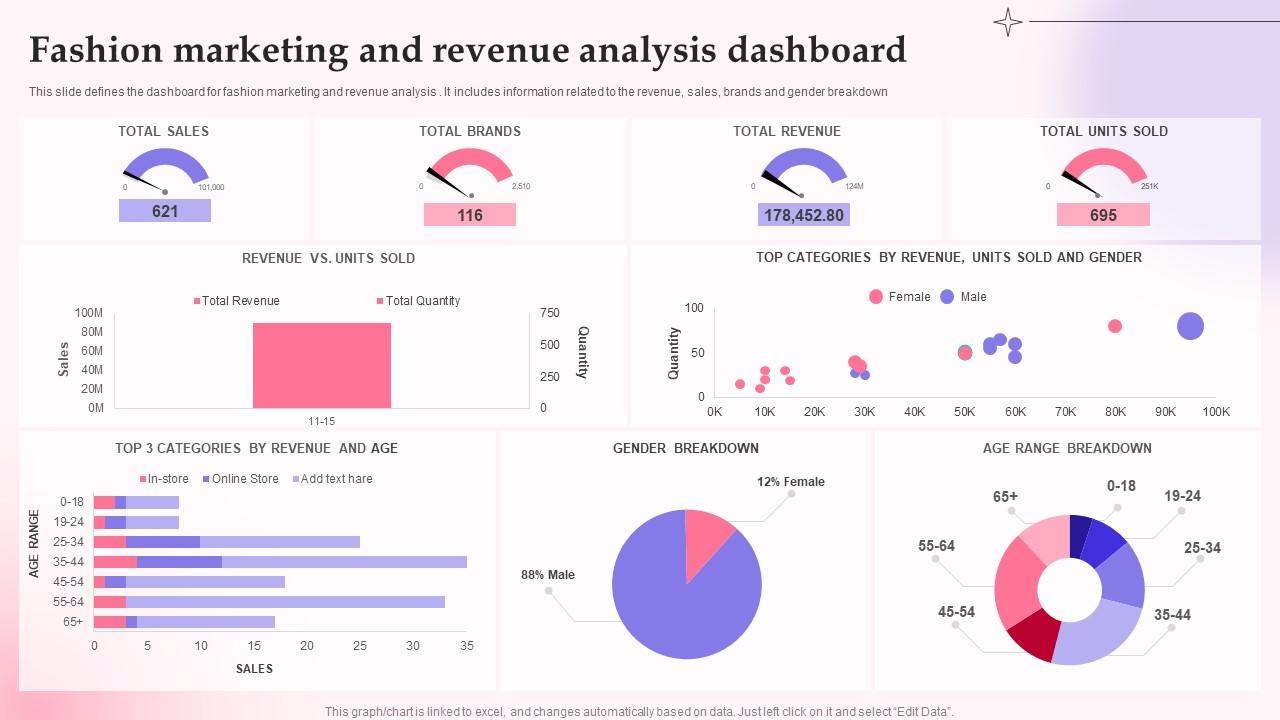
Effective scraping goes beyond prices; it captures a 360-degree view:
- Product Listings & Variants: Track SKUs, sizes, colors, and fabrics to spot trending styles like oversized silhouettes or eco-fabrics.
- Pricing & Promotions: Monitor flash sales, discounts (up to 50% on platforms), and bundle offers.
- Availability & Stockouts: Identify demand surges in specific pincodes, e.g., ethnic wear during festivals.
- Customer Metrics: Ratings, reviews, and search rankings for sentiment analysis.
- Hyperlocal Variations: Pincode-level data for micro-targeting, as seen in Purple Chalk’s 2026 trends report on AI personalization.
| Data Field | Strategic Value | 2026 Projection Impact |
|---|---|---|
| Trend Velocity | Spot rising categories like quick fashion | 10-15% sales uplift per Mint |
| Price Elasticity | Optimize against competitors | Reduce returns by 20% via better fit data |
| Demand Forecasting | Predict spikes in AR-enabled try-ons | CAGR boost to 7.92% per Unicommerce |
Platform Differences: Zepto vs. Blinkit in Fashion
Zepto focuses on premium, trend-driven items with aggressive promos, ideal for scraping short-term spikes. Blinkit emphasizes everyday essentials with stable pricing. Eshopbox highlights apparel as the fastest D2C category, with quick commerce accelerating it.
Ethical Scraping & Compliance in 2026
Under DPDPA, use proxies, rate limits, and respect robots.txt. Focus on public data for sustainability.
Strategic Wins & Case Studies
Brands using scraped data adjust inventories, launch micro-collections, and boost ROI by 15-25%.
Request a free consultation
Ready to unlock the power of data?
Published: February 2026 | Category: Fashion, Quick Commerce Scraping