


Introduction
Christmas is no longer just a festive season — it’s a pricing battlefield.
From early December to New Year, e-commerce platforms roll out:
- Flash discounts
- Limited-time Christmas deals
- Seller-specific coupons
- Bundle offers
For brands and sellers, missing even a single price move can mean lost visibility and sales.
That’s why businesses rely on Christmas offers scraping to stay competitive.
What Is Christmas Offers Scraping?
Christmas offers scraping is the automated collection of:
- Discounted prices
- Original MRP
- Coupon values
- Deal duration
- Stock availability
- Seller rankings
from platforms like:
- Amazon Christmas Sale
- Flipkart Festive Offers
- Walmart Holiday Deals
- Shopify Christmas stores
Why Christmas Data Matters More Than Any Other Sale
🎁 1. Prices Change Rapidly
During Christmas week, prices can change multiple times per day.
🎄 2. Heavy Competition
Every seller wants the top “Christmas Deal” badge.
💰 3. High Buyer Intent
Customers are ready to buy — pricing accuracy directly impacts conversions.
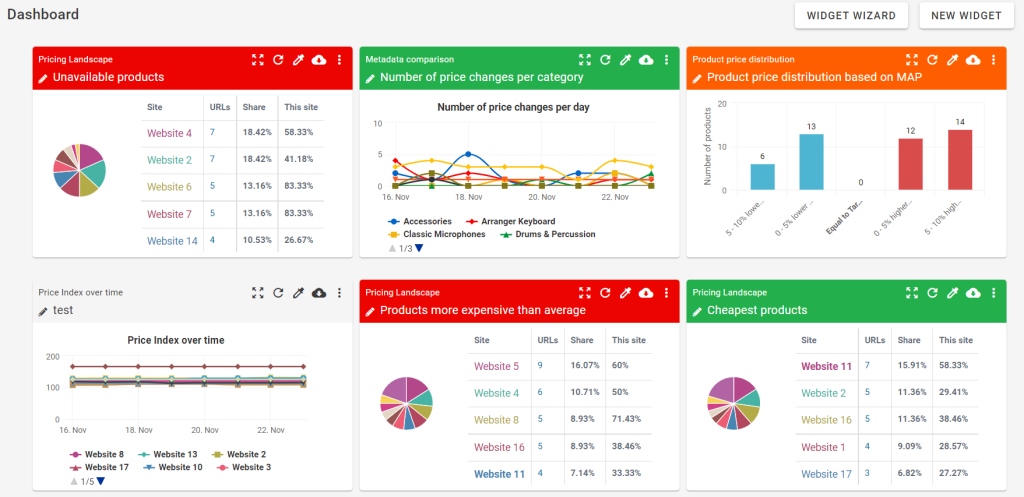
Manual Tracking vs Automated Scraping
| Method | Accuracy | Speed | Scalability |
|---|---|---|---|
| Manual checking | Low | Slow | Very limited |
| Excel updates | Medium | Slow | Limited |
| Automated scraping | High | Real-time | Massive |
Who Uses Christmas Offers Scraping?
- Amazon & Flipkart sellers
- D2C brands
- Market research agencies
- Pricing intelligence platforms
- Retail analytics teams
FAQs
Is scraping Christmas discounts legal?
Yes, when scraping publicly visible prices responsibly.
How often should Christmas prices be tracked?
Every 1–3 hours during peak sale days.
Can historical Christmas data be analyzed?
Yes — datasets help compare YoY discount trends.
Conclusion
Christmas pricing is fast, aggressive, and unforgiving.
Brands that track offers in real time win visibility, sales, and margins.
Request Christmas Offers Dataset
Ready to unlock the power of data?


